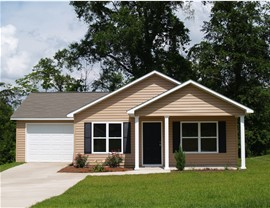
Your home’s siding does more than improve curb appeal. It protects your house from moisture, weather damage, and energy loss.
However, siding doesn’t last forever. Over time, it can crack, warp, fade, or lose its ability to protect your home properly. When this happens, siding replacement may be the smartest investment you can make.
Knowing when to replace your siding can help prevent costly repairs and structural damage. In this guide, we’ll explain the most common warning signs, what your options are, and why professional installation matters.
Why Siding Is One of the Most Important Parts of Your Home
Your siding acts as a protective barrier between your home and the outside elements.
Rain, wind, UV rays, snow, and temperature changes all impact your exterior. When siding begins to fail, moisture can seep into walls, insulation, and framing.
Because of this, damaged siding can lead to:
Water damage
Mold growth
Structural deterioration
Higher energy bills
Pest intrusion
In many cases, homeowners don’t realize the problem until repairs become expensive. Fortunately, spotting early signs can help you plan a siding replacement before serious damage occurs.
7 Signs It’s Time for Siding Replacement
1. Cracked, Warped, or Loose Panels
Visible damage is one of the clearest signs your siding may be failing.
Over time, siding materials expand and contract with temperature changes. Eventually, this movement can cause panels to crack, warp, or pull away from the house.
Loose siding allows moisture and pests to enter behind the exterior wall system. A professional siding company can inspect the damage and determine if repairs or replacement are the better option.
2. Frequent Maintenance or Repairs
If you find yourself constantly repairing sections of siding, it may be time to consider replacement.
Small repairs can help temporarily. However, when multiple areas begin failing, the underlying material is often reaching the end of its lifespan.
Replacing the siding at this point can save money in the long run by preventing ongoing repair costs.
3. Rising Energy Bills
Older or damaged siding may no longer provide proper insulation.
When gaps or cracks form, outside air can enter your home. As a result, your HVAC system must work harder to maintain comfortable temperatures.
New siding systems often include insulation improvements that help increase energy efficiency and reduce heating and cooling costs.
4. Fading or Severe Discoloration
Faded siding may seem like only a cosmetic issue. However, it can indicate that the material has reached the end of its durability.
UV exposure slowly weakens many siding materials. Once the protective surface deteriorates, the siding becomes more vulnerable to cracking, moisture damage, and warping.
A professional siding installer can recommend modern siding materials designed to resist fading and weather damage.
5. Mold, Mildew, or Rot
Moisture damage is one of the most serious siding problems.
If you notice mold, mildew, or soft spots on the exterior walls, water may already be penetrating behind the siding.
Left untreated, moisture can damage structural components inside the wall system. Replacing failing siding early helps prevent extensive repairs.
6. Bubbling or Blistering
Bubbles or blisters on siding surfaces often indicate trapped moisture.
This can happen when siding materials lose their protective barrier or when water gets trapped beneath the panels.
Because moisture can spread quickly, a professional inspection is important if you notice these warning signs.
7. Interior Signs of Exterior Damage
Sometimes the signs of failing siding appear inside the home first.
For example, you may notice:
Peeling paint or wallpaper
Water stains near exterior walls
Drafts around windows or outlets
These symptoms often mean moisture or air is entering through compromised siding.
Why Professional Siding Installation Matters
Siding installation may seem straightforward, but it requires precision and expertise.
Proper installation ensures the siding system can expand, drain moisture, and withstand severe weather.
Incorrect installation can lead to:
Trapped moisture behind panels
Warping or buckling
Reduced insulation performance
Premature siding failure
Because of this, working with an experienced siding installer is essential.
Professional installation also helps protect manufacturer warranties and ensures the siding performs as intended for decades.
The Long-Term Value of Siding Replacement
Many homeowners initially focus on the upfront cost of new siding. However, replacement often delivers long-term value in several ways.
Improved Energy Efficiency
Modern siding systems often include insulated backing that reduces heat loss.
Increased Home Value
New siding improves curb appeal and can make your home more attractive to buyers.
Reduced Maintenance
High-quality siding materials are designed to resist fading, moisture, and weather damage.
Stronger Weather Protection
Professional siding installation helps protect your home against storms, wind, and moisture.
For many homeowners, siding replacement becomes one of the most valuable exterior improvements they can make.
Choosing the Right Siding Company
Selecting the right contractor is just as important as choosing the right siding material.
A reliable siding company should provide:
Detailed inspections
Clear project estimates
Professional installation
Warranty protection
Experienced crews
Taking time to choose the right contractor ensures your investment lasts for many years.
Trust Appleby Systems for Professional Siding Replacement
If you’ve noticed signs of damage or aging siding, it may be time to explore your options.
At Appleby Systems, our experienced team helps homeowners evaluate their exterior and determine whether repairs or siding replacement is the best solution.
We focus on high-quality materials, expert installation, and long-term performance so your home stays protected and beautiful.
If you're considering new siding, our team is ready to help.
Contact Appleby Systems today to schedule a free estimate and learn more about your siding replacement options.
Subscribe to Appleby Systems's Blog



Comments